
10 Factors to Consider while Purchasing Kitchen Wall Tiles
“Sed ut perspiciatis unde omnis iste natus error sit voluptatem accusantium doloremque laudantium, totam rem aperiam, eaque ipsa quae ab illo inventore veritatis et quasi architecto beatae vitae dicta sunt explicabo. Nemo enim ipsam voluptatem quia voluptas sit aspernatur aut odit aut fugit, sed quia consequuntur magni dolores eos qui ratione voluptatem sequi nesciunt. Neque porro quisquam est, qui dolorem ipsum quia dolor sit amet, consectetur, adipisci velit, sed quia non numquam eius modi tempora incidunt ut labore et dolore magnam aliquam quaerat voluptatem. Ut enim ad minima veniam, quis nostrum exercitationem ullam corporis suscipit laboriosam, nisi ut aliquid ex ea commodi consequatur? Quis autem vel eum iure reprehenderitui in ea voluptate velit esse quam nihil molestiae consequatur, vel illum qui dolorem eum fugiat quo voluptas nulla pariatur?” “But I must explain to you how all this mistaken idea of denouncing pleasure and praising pain was born and I will give you a complete account of the system, and expound the actual teachings of the great explorer of the truth, the master-builder of human happiness. No “Sed ut perspiciatis unde omnis iste natus error sit voluptatem accusantium doloremque laudantium, totam rem aperiam, eaque ipsa quae ab illo inventore veritatis et quasi architecto beatae vitae dicta sunt explicabo. Nemo enim ipsam voluptatem quia voluptas sit aspernatur aut odit aut fugit, sed quia consequuntur magni dolores eos qui ratione voluptatem sequi nesciunt. Neque porro quisquam est, qui dolorem ipsum quia dolor sit amet, consectetur, adipisci velit, sed quia non numquam eius modi tempora incidunt ut labore et dolore magnam aliquam quaerat voluptatem. Ut enim ad minima veniam, quis nostrum exercitationem ullam corporis suscipit laboriosam, nisi ut aliquid ex ea commodi consequatur? Quis autem vel eum iure reprehenderit qui in ea voluptate velit esse quam nihil molestiae consequatur, vel illum qui dolorem eum fugiat quo voluptas nulla pariatur?” “Sed ut perspiciatis unde omnis iste natus error sit voluptatem accusantium doloremque laudantium, totam rem aperiam, eaque ipsa quae ab illo inventore veritatis et quasi architecto beatae vitae dicta sunt explicabo. Nemo enim ipsam voluptatem quia voluptas sit aspernatur aut odit aut fugit, sed quia consequuntur magni dolores eos qui ratione voluptatem sequi nesciunt. Neque porro quisquam est, qui dolorem ipsum quia dolor sit amet, consectetur, adipisci velit, sed quia non numquam eius modi tempora incidunt ut labore et dolore magnam aliquam quaerat voluptatem. Ut enim ad minima veniam, quis nostrum exercitationem ullam corporis suscipit laboriosam, nisi ut aliquid ex ea commodi consequatur? Quis autem vel eum iure reprehenderit qui in ea voluptate velit esse quam nihil molestiae consequatur, vel illum qui dolorem eum fugiat quo voluptas nulla pariatur?” “Sed ut perspiciatis unde omnis iste natus error sit voluptatem accusantium doloremque laudantium, totam rem aperiam, eaque ipsa quae ab illo inventore veritatis et quasi architecto beatae vitae dicta sunt explicabo. Nemo enim ipsam voluptatem quia voluptas sit aspernatur aut odit aut fugit, sed quia consequuntur magni dolores eos qui ratione voluptatem sequi nesciunt. Neque porro quisquam est, qui dolorem ipsum quia dolor sit amet, consectetur, adipisci velit, sed quia non numquam eius modi tempora incidunt ut labore et dolore magnam aliquam quaerat voluptatem. Ut enim ad minima veniam, quis nostrum exercitationem ullam corporis suscipit laboriosam, nisi ut aliquid ex ea commodi consequatur? Quis autem vel eum iure reprehenderit qui in ea voluptate velit esse quam nihil molestiae consequatur, vel illum qui dolorem eum fugiat quo voluptas nulla pariatur?” 1914 translation by H. Rackham
A Guide to Smart Surface Selection
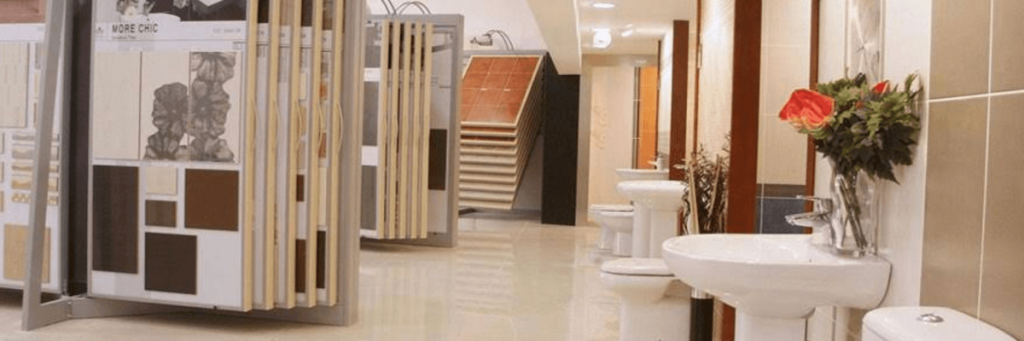
Pattern and Detail in Tiles Design Patterns play a significant role in tiles design. From traditional motifs like kolam and rajputana prints to modern geometric and abstract designs, patterns can add personality and character to any space. Patterned floor tiles are especially effective in open spaces, where they can serve as a focal point without overwhelming the room. When using patterned tiles, it’s important to balance them with simpler elements elsewhere in the room. For example, a busy floor pattern can be paired with plain walls and neutral furnishings to create a harmonious look. Technical Considerations in Tiles Design Beyond aesthetics, tiles design must address technical requirements such as load-bearing capacity, thermal stability, and moisture resistance. In high-traffic areas, tiles need to be durable and easy to clean. In wet environments, slip resistance and water absorption rates are critical. Installation is another technical aspect of tiles design. Proper substrate preparation, adhesive selection, and grout application are essential for ensuring the longevity and performance of the finished surface. Professional installers follow industry standards to achieve the best results, but understanding these principles can help homeowners make informed decisions and communicate effectively with contractors. Case Studies and Real-World Applications Let’s consider a few real-world applications of modern tiles design: The Future of Tiles Design As technology advances, tiles design continues to evolve. Digital printing allows for highly detailed and customizable patterns, while new materials and manufacturing techniques improve durability and sustainability. Smart tiles with integrated lighting or heating are also emerging, offering new possibilities for functional and aesthetic design. As technology advances, tiles design continues to evolve. Digital printing allows for highly detailed and customizable patterns, while new materials and manufacturing techniques improve durability and sustainability. Smart tiles with integrated lighting or heating are also emerging, offering new possibilities for functional and aesthetic design. As technology advances, tiles design continues to evolve. Digital printing allows for highly detailed and customizable patterns, while new materials and manufacturing techniques improve durability and sustainability. Smart tiles with integrated lighting or heating are also emerging, offering new possibilities for functional and aesthetic design. As technology advances, tiles design continues to evolve. Digital printing allows for highly detailed and customizable patterns, while new materials and manufacturing techniques improve durability and sustainability. Smart tiles with integrated lighting or heating are also emerging, offering new possibilities for functional and aesthetic design.
The Science and Art of Modern Tiles Design
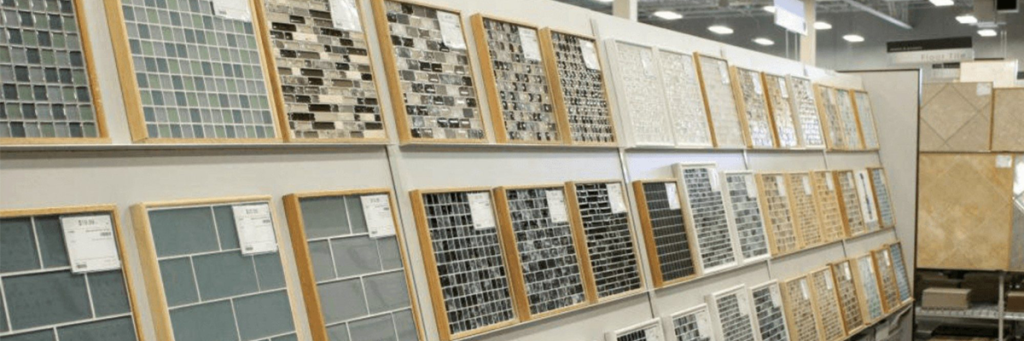
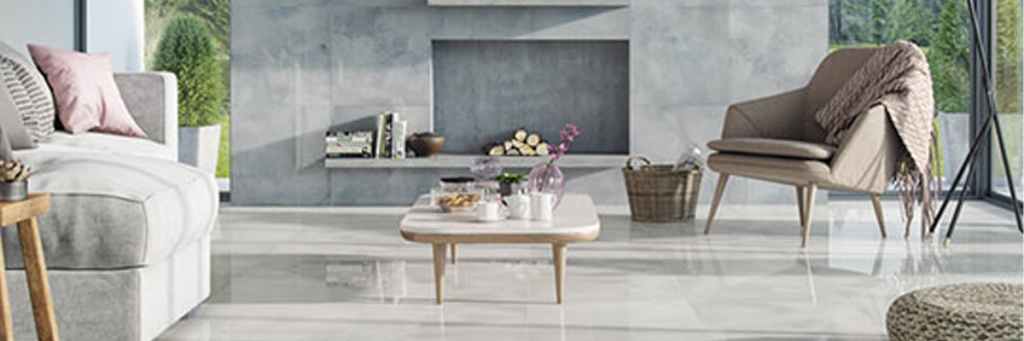
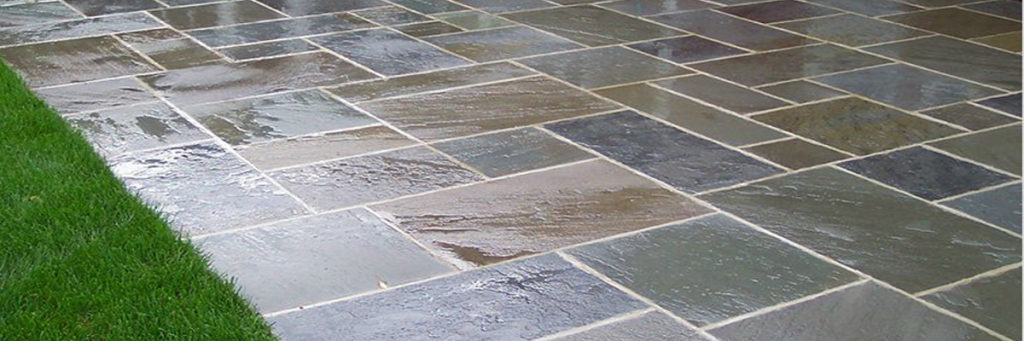
Choosing the right tiles for your space is both a science and an art. Modern tiles design goes far beyond picking a color or pattern; it involves understanding how materials, textures, and layouts interact with light, space, and human perception. In this guide, we’ll explore the technical and aesthetic considerations that make tiles design a powerful tool in contemporary architecture and interior design. The Psychology of Color in Tiles Design Color is one of the most influential aspects of tiles design. It affects mood, perception, and even the apparent size of a room. Cool tones like blues and greens can create a calming atmosphere, ideal for bathrooms and bedrooms, while warm hues such as reds and oranges energize social spaces like kitchens and living rooms. Neutral colors—whites, beiges, and grays—offer versatility and can make small spaces feel larger and more open. Recent trends in tiles design have seen a resurgence of bold, saturated colors, particularly in accent walls and feature areas. When selecting tile color, consider both the psychological impact and the practical implications: light colors are generally easier to keep clean and can help spaces feel brighter and more inviting. Spatial Dynamics and Tile Layout The way tiles are laid out can dramatically alter the perception of a room. Large-format tiles, for example, can make a small room appear more spacious by minimizing grout lines and creating a seamless look. Conversely, smaller tiles or intricate patterns can add visual interest and detail, making them ideal for feature walls or backsplashes. Directional layouts—such as tiles laid diagonally or in a herringbone pattern—can lead the eye and create a sense of movement or flow within a space. This is especially effective in long, narrow rooms, where a diagonal layout can make the space feel wider Material Selection and Tile Texture Tiles design is also about material science. The choice between ceramic, porcelain, natural stone, or glass tiles affects not only appearance but also durability, maintenance, and suitability for specific environments. For example, porcelain tiles are highly resistant to moisture and wear, making them ideal for kitchens and bathrooms. Natural stone tiles, while beautiful, require more maintenance and sealing to protect against staining. Tile texture is another critical factor. Smooth, glossy tiles reflect light and can make a space feel brighter and more open, while matte or textured tiles absorb light, creating a warmer, more intimate atmosphere. Textured tiles also offer practical benefits, such as improved slip resistance in wet areas like bathrooms and kitchens. Pattern and Detail in Tiles Design Patterns play a significant role in tiles design. From traditional motifs like kolam and rajputana prints to modern geometric and abstract designs, patterns can add personality and character to any space. Patterned floor tiles are especially effective in open spaces, where they can serve as a focal point without overwhelming the room. When using patterned tiles, it’s important to balance them with simpler elements elsewhere in the room. For example, a busy floor pattern can be paired with plain walls and neutral furnishings to create a harmonious look.
Hello world!
hoosing the right tiles for your space is both a science and an art. Modern tiles design goes far beyond picking a color or pattern; it involves understanding how materials, textures, and layouts interact with light, space, and human perception. In this guide, we’ll explore the technical and aesthetic considerations that make tiles design a powerful tool in contemporary architecture and interior design. The Psychology of Color in Tiles Design Color is one of the most influential aspects of tiles design. It affects mood, perception, and even the apparent size of a room. Cool tones like blues and greens can create a calming atmosphere, ideal for bathrooms and bedrooms, while warm hues such as reds and oranges energize social spaces like kitchens and living rooms. Neutral colors—whites, beiges, and grays—offer versatility and can make small spaces feel larger and more open. Recent trends in tiles design have seen a resurgence of bold, saturated colors, particularly in accent walls and feature areas. When selecting tile color, consider both the psychological impact and the practical implications: light colors are generally easier to keep clean and can help spaces feel brighter and more inviting. Spatial Dynamics and Tile Layout As technology advances, tiles design continues to evolve. Digital printing allows for highly detailed and customizable patterns, while new materials and manufacturing techniques improve durability and sustainability. Smart tiles with integrated lighting or heating are also emerging, offering new possibilities for functional and aesthetic design. As technology advances, tiles design continues to evolve. Digital printing allows for highly detailed and customizable patterns, while new materials and manufacturing techniques improve durability and sustainability. Smart tiles with integrated lighting or heating are also emerging, offering new possibilities for functional and aesthetic design. As technology advances, tiles design continues to evolve. Digital printing allows for highly detailed and customizable patterns, while new materials and manufacturing techniques improve durability and sustainability. Smart tiles with integrated lighting or heating are also emerging, offering new possibilities for functional and aesthetic design. As technology advances, tiles design continues to evolve. Digital printing allows for highly detailed and customizable patterns, while new materials and manufacturing techniques improve durability and sustainability. Smart tiles with integrated lighting or heating are also emerging, offering new possibilities for functional and aesthetic design. As technology advances, tiles design continues to evolve. Digital printing allows for highly detailed and customizable patterns, while new materials and manufacturing techniques improve durability and sustainability. Smart tiles with integrated lighting or heating are also emerging, offering new possibilities for functional and aesthetic design. As technology advances, tiles design continues to evolve. Digital printing allows for highly detailed and customizable patterns, while new materials and manufacturing techniques improve durability and sustainability. Smart tiles with integrated lighting or heating are also emerging, offering new possibilities for functional and aesthetic design. As technology advances, tiles design continues to evolve. Digital printing allows for highly detailed and customizable patterns, while new materials and manufacturing techniques improve durability and sustainability. Smart tiles with integrated lighting or heating are also emerging, offering new possibilities for functional and aesthetic design. Directional layouts—such