
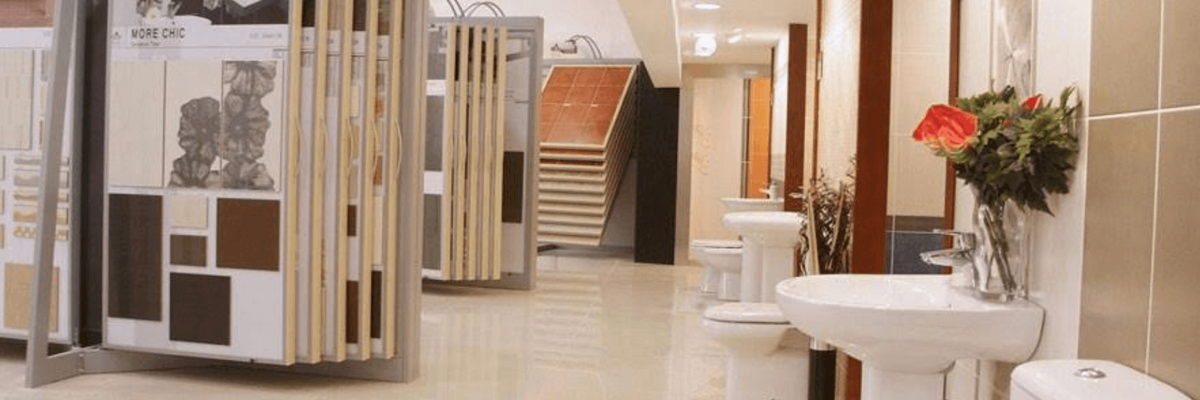
Pattern and Detail in Tiles Design
Patterns play a significant role in tiles design. From traditional motifs like kolam and rajputana prints to modern geometric and abstract designs, patterns can add personality and character to any space. Patterned floor tiles are especially effective in open spaces, where they can serve as a focal point without overwhelming the room.
When using patterned tiles, it’s important to balance them with simpler elements elsewhere in the room. For example, a busy floor pattern can be paired with plain walls and neutral furnishings to create a harmonious look.
Technical Considerations in Tiles Design
Beyond aesthetics, tiles design must address technical requirements such as load-bearing capacity, thermal stability, and moisture resistance. In high-traffic areas, tiles need to be durable and easy to clean. In wet environments, slip resistance and water absorption rates are critical.
Installation is another technical aspect of tiles design. Proper substrate preparation, adhesive selection, and grout application are essential for ensuring the longevity and performance of the finished surface. Professional installers follow industry standards to achieve the best results, but understanding these principles can help homeowners make informed decisions and communicate effectively with contractors.
Case Studies and Real-World Applications
Let’s consider a few real-world applications of modern tiles design:
- Living Rooms: Large-format, wood-look tiles can create a warm, inviting atmosphere, while marble-effect tiles add a touch of luxury. Colorful mosaics or geometric patterns can serve as statement features.
- Kitchens: Durable, easy-to-clean tiles with minimal grout lines are ideal for countertops and backsplashes. Textured or patterned tiles can add visual interest and personality.
- Bathrooms: Non-slip, moisture-resistant tiles are essential. Subway tiles, hexagonal tiles, and mosaic patterns are popular choices for both walls and floors.
The Future of Tiles Design
As technology advances, tiles design continues to evolve. Digital printing allows for highly detailed and customizable patterns, while new materials and manufacturing techniques improve durability and sustainability. Smart tiles with integrated lighting or heating are also emerging, offering new possibilities for functional and aesthetic design.
As technology advances, tiles design continues to evolve. Digital printing allows for highly detailed and customizable patterns, while new materials and manufacturing techniques improve durability and sustainability. Smart tiles with integrated lighting or heating are also emerging, offering new possibilities for functional and aesthetic design.
As technology advances, tiles design continues to evolve. Digital printing allows for highly detailed and customizable patterns, while new materials and manufacturing techniques improve durability and sustainability. Smart tiles with integrated lighting or heating are also emerging, offering new possibilities for functional and aesthetic design.
As technology advances, tiles design continues to evolve. Digital printing allows for highly detailed and customizable patterns, while new materials and manufacturing techniques improve durability and sustainability. Smart tiles with integrated lighting or heating are also emerging, offering new possibilities for functional and aesthetic design.


