
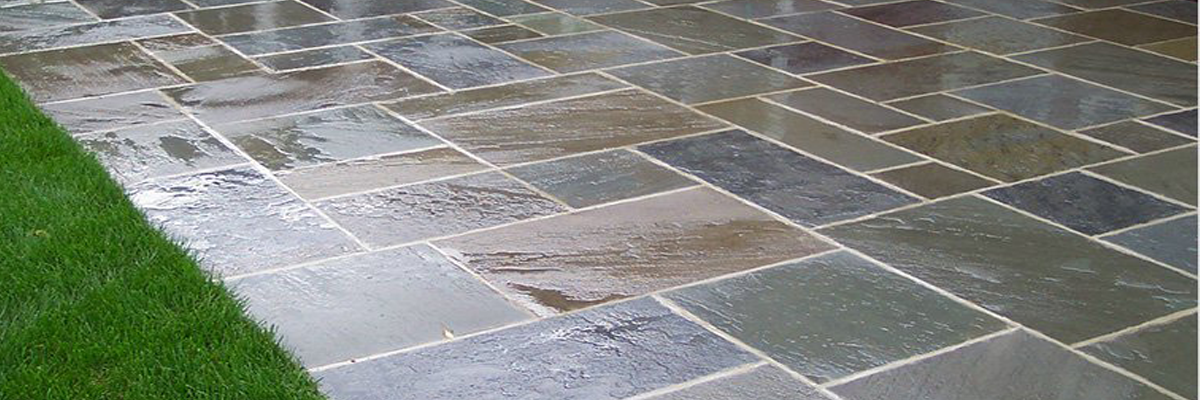
hoosing the right tiles for your space is both a science and an art. Modern tiles design goes far beyond picking a color or pattern; it involves understanding how materials, textures, and layouts interact with light, space, and human perception. In this guide, we’ll explore the technical and aesthetic considerations that make tiles design a powerful tool in contemporary architecture and interior design.
The Psychology of Color in Tiles Design
Color is one of the most influential aspects of tiles design. It affects mood, perception, and even the apparent size of a room. Cool tones like blues and greens can create a calming atmosphere, ideal for bathrooms and bedrooms, while warm hues such as reds and oranges energize social spaces like kitchens and living rooms. Neutral colors—whites, beiges, and grays—offer versatility and can make small spaces feel larger and more open.
Recent trends in tiles design have seen a resurgence of bold, saturated colors, particularly in accent walls and feature areas. When selecting tile color, consider both the psychological impact and the practical implications: light colors are generally easier to keep clean and can help spaces feel brighter and more inviting.
Spatial Dynamics and Tile Layout
As technology advances, tiles design continues to evolve. Digital printing allows for highly detailed and customizable patterns, while new materials and manufacturing techniques improve durability and sustainability. Smart tiles with integrated lighting or heating are also emerging, offering new possibilities for functional and aesthetic design.
As technology advances, tiles design continues to evolve. Digital printing allows for highly detailed and customizable patterns, while new materials and manufacturing techniques improve durability and sustainability. Smart tiles with integrated lighting or heating are also emerging, offering new possibilities for functional and aesthetic design.
As technology advances, tiles design continues to evolve. Digital printing allows for highly detailed and customizable patterns, while new materials and manufacturing techniques improve durability and sustainability. Smart tiles with integrated lighting or heating are also emerging, offering new possibilities for functional and aesthetic design.
As technology advances, tiles design continues to evolve. Digital printing allows for highly detailed and customizable patterns, while new materials and manufacturing techniques improve durability and sustainability. Smart tiles with integrated lighting or heating are also emerging, offering new possibilities for functional and aesthetic design.
As technology advances, tiles design continues to evolve. Digital printing allows for highly detailed and customizable patterns, while new materials and manufacturing techniques improve durability and sustainability. Smart tiles with integrated lighting or heating are also emerging, offering new possibilities for functional and aesthetic design.
As technology advances, tiles design continues to evolve. Digital printing allows for highly detailed and customizable patterns, while new materials and manufacturing techniques improve durability and sustainability. Smart tiles with integrated lighting or heating are also emerging, offering new possibilities for functional and aesthetic design.
As technology advances, tiles design continues to evolve. Digital printing allows for highly detailed and customizable patterns, while new materials and manufacturing techniques improve durability and sustainability. Smart tiles with integrated lighting or heating are also emerging, offering new possibilities for functional and aesthetic design.
Directional layouts—such


